Our History
Since 1974, Inter Care has supported rural health units across Africa, adapting our approach as healthcare needs and global challenges have evolved.
Throughout every change, our commitment has remained constant: to save lives and alleviate suffering primarily by giving new purpose to surplus medical supplies. Inter Care continues to grow as a sustainable, impactful medical aid charity, strengthening healthcare systems and we hope to support our partners for generations to come.
-
![]()
1960's: The Idea was born
A visiting African doctor saw Dr David Rosenberg, A UK GP, throw away unused sample medicines and was shocked - explaining that such medicines were so desperately needed in his community back at home. This moment highlighted the stark contrast between UK waste and African need, inspiring the creation of Inter Care.
Dr Rosenberg wanted to see this for himself, so before Inter Care could begin sending medical aid to Africa, they first had to ensure that donated medicines would reach the patients who needed them most rather than being diverted or sold on the black market.
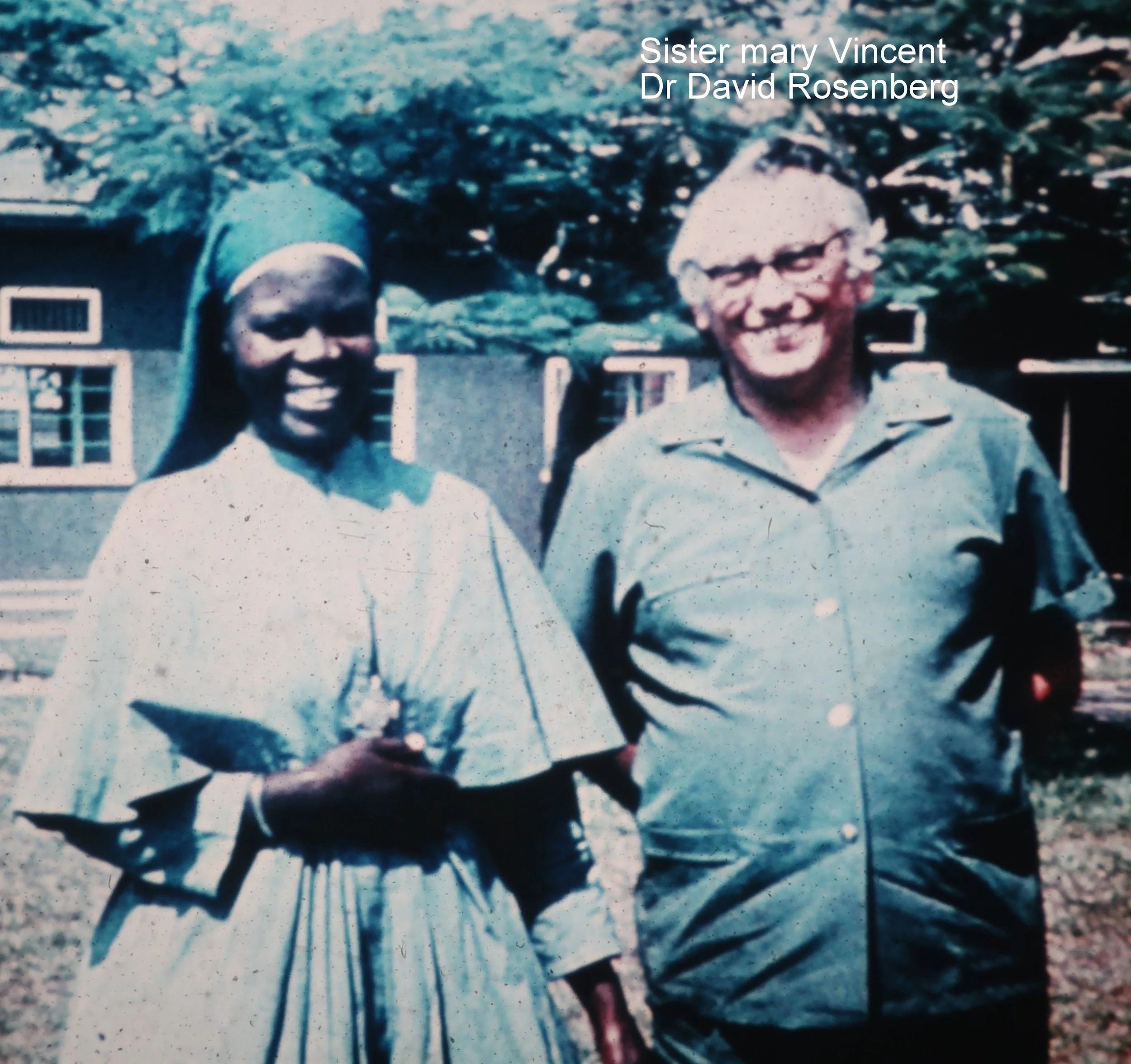
This meant visiting potential partners in person - and that’s when they met the Sisters, whose dual vocation as both religious leaders and trained medical professionals provided a natural safeguard against corruption. Their commitment to service, combined with their clinical expertise, ensured that every medicine could be used ethically and reach the patients who needed it most.
(Pictured above is Sr Mary Vincent and Dr David Rosenberg on his 1st visit to Uganda in 1971)
-
![Two senior adults, a woman and a man, sorting medications into baskets in a pharmacy or medical storage room with labeled shelves in the background.]()
1974: The Founding of Inter Care
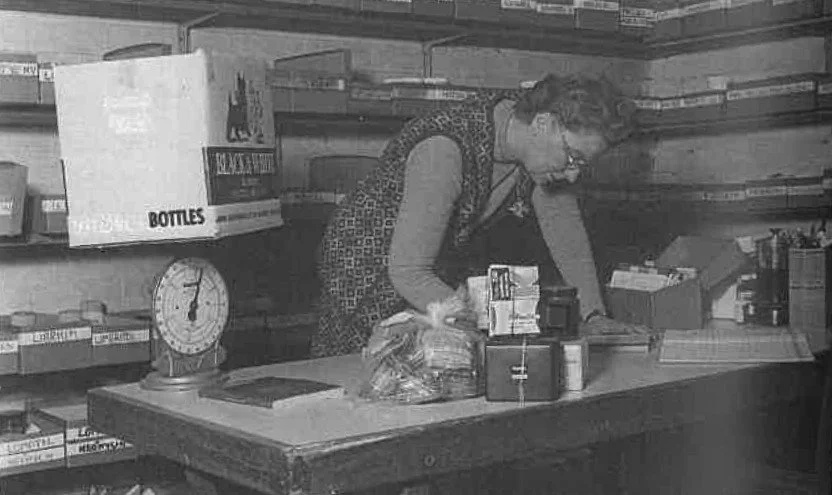
After establishing relationships with partner health units in Africa, David and his wife Dr Patricia Keefe began collecting surplus medicines from GP surgeries accross Leicestershire. Operating from the basement of their Melton Road home (with their surgical practice on the ground floor), they sorted medicines into shoeboxes and posted them directly to African health units.
(Pictured above is Dr Patricia Keefe filling one of the 6-monthly shoe boxes of medicines each unit received)
-
![]()
1980s: Responding to the AIDS Crisis
Inter Care’s impact steadily grew with more and more UK surgeries collecting patient returned medicines (such as unfinished courses of antibiotics) that patients no longer needed.
During the AIDS crisis, Inter Care was able to step up and send African health units essential medicines used to treat common symptoms in immunosuppressed patients. Parcels were sent direct to Africa and included antifungals, antiallergy treatments, and palliative care medicines to help health units manage the surge in patients with the HIV/AIDS virus.
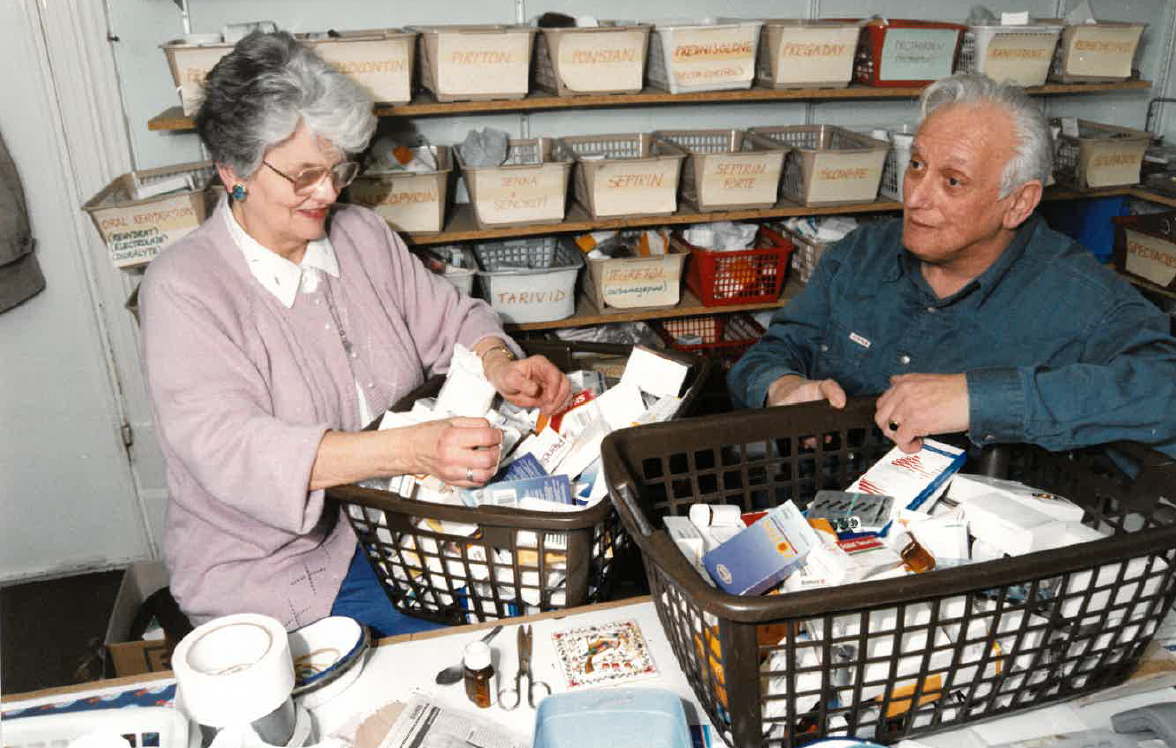
Margaret Greiff joined the organisation in 1985 and remains our patron to this day.
(Pictured above is Dr David Rosenberg and Margaret Greiff sorting through donated medicines in the basement of the house in Leicester)
-
![]()
The 2000s: A new era
Inter Care continued to grow over the next few decades. However following Dr David Rosenberg’s death in the year 2000, Inter Care could not continue operating from the basement of his house on Melton Road. This prompted our move into a new warehouse and office space on The Half Croft Industrial Estate in Syston, Leicester.
-
![]()
2006 - Inter Care Meets Royalty
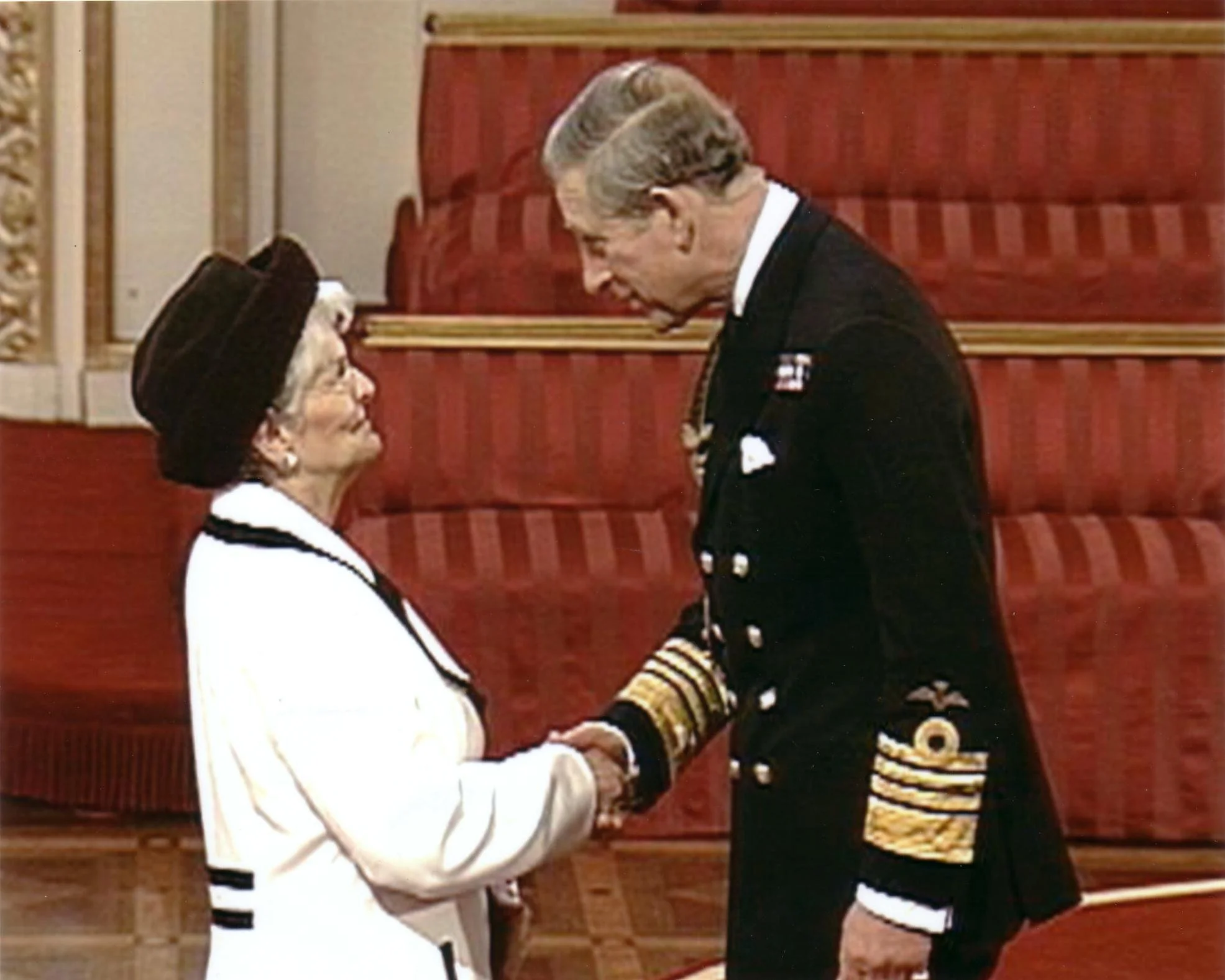
After many years of dedicated service to Inter Care, Margaret Greiff was awarded an MBE for her outstanding contribution to charity. The honour recognised her pivotal role in shaping Inter Care’s early work, her commitment to improving healthcare in sub‑Saharan Africa, and the countless hours she devoted to building the charity from the ground up.
Receiving an MBE is one of the UK’s highest civilian honours, awarded to individuals who have made a significant, lasting impact on their communities. Margaret’s award reflects the deep respect and gratitude felt for her work.
-
![]()
2008: Waste Management Licence & New Leadership
After a change in legislation threatened operations, : Inter Care had to obtain a bespoke Waste Management Licence to enable operations to continue.
In the same year, Diane Hardy joined as General Manager, bringing new energy and leadership. Over the next few years Diane grew Inter Care’s network of medicine donors from around 70 to over 700.
-
![]()
2012: TV Debut & Queens Award for Voluntary Service
BBC cameraman Tony Roe travelled to Africa to film Inter Care’s work inside partner health units, capturing the reality of care in Africa and the impact of the medical aid Inter Care was providing. His footage was broadcast as a televised documentary, bringing Inter Care’s mission to a national audience for the first time.
The response was immediate. Viewers across the UK reached out, offering their time and skills, and we saw an influx of new volunteers - many of whom still support us today in our warehouse and office. Their long‑term commitment remains one of the strongest legacies of that broadcast.
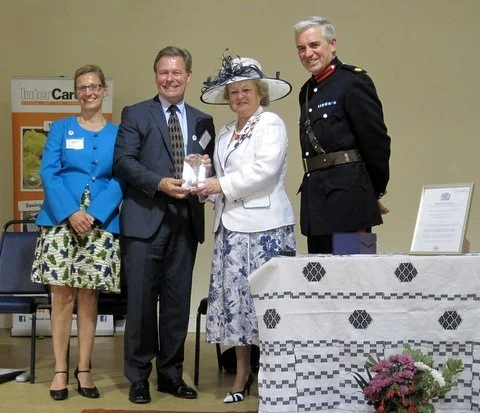
Later that same year, Inter Care was honoured with the Queen’s Award for Voluntary Service, the highest award given to volunteer‑led organisations in the UK. It recognised the exceptional dedication of our volunteers and the profound impact their work has had on healthcare in sub‑Saharan Africa.
(Pictured above is the presentation ceremony for the Queen’s Award for Voluntary Service.)
-
![A woman with dark, curly hair sitting on a bench, wearing a beige sleeveless top and light brown pants, in a room with white wall and wooden panel backdrop.]()
2013: Legislation Changes
New UK legislation prohibited charities from collecting patient‑returned medicines and redistributing them. This meant that the long‑standing model that had sustained Inter Care for decades was no longer viable. This wasn’t just a procedural change - it was a major turning point that reshaped the very foundations of how we operated.
For years, patient‑returned medicines had allowed Inter Care to support partner units with a steady flow of high‑quality treatments that would otherwise go to waste. When the law changed, we had to completely rethink how we could continue supplying essential medicines safely, legally, and ethically. It required innovation, new partnerships, and a fresh approach to sourcing medical products - all while ensuring that the clinics we supported in sub‑Saharan Africa didn’t lose access to the vital treatments they relied on.
Inter Care became the first UK Charity to obtain a Wholesale Dealers Authorisation (WDA) from the MHRA to procure and supply ambient pharmaceuticals for humanitarian aid.
-
![]()
2017: Developing Partnerships
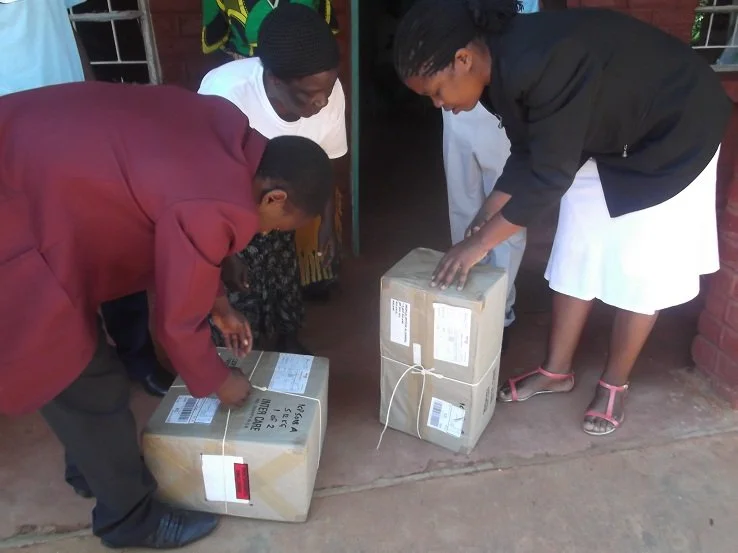
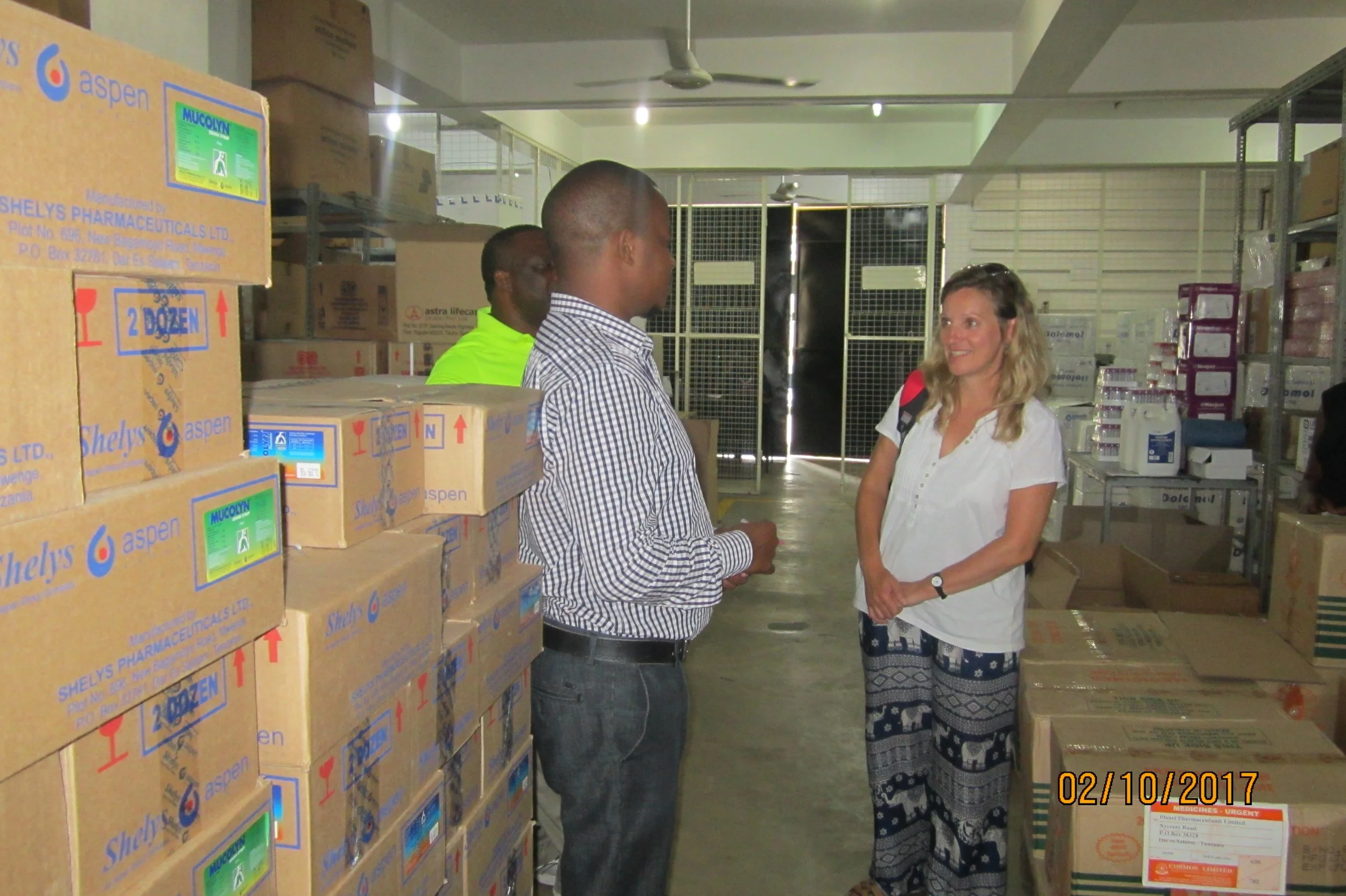
When the UK legislation prohibited us from collecting and redistributing patient‑returned medicines, Inter Care faced a defining challenge: how to continue supplying partner clinics with safe, legal, high‑quality treatments. The answer came through a key partnership with Action Medeor, a respected German organisation specialising in affordable, quality‑assured medicines that could be purchased directly in‑country in Malawi and Tanzania.
Working with Action Medeor enabled Inter Care to maintain its commitment to providing essential medicines, while fully complying with new regulatory standards.
We also developed and grew our partnership with International Health Partners who donated more surplus pharmaceuticals from their corporate partners. This was in addition to our own relationships with pharmaceutical donors.
-
![]()
2019 - Our 1st Container
After years of crisis - from a civil war that devastated communities to the Ebola outbreak that claimed thousands of lives - Sierra Leone’s health units were left in urgent need of large‑scale support.
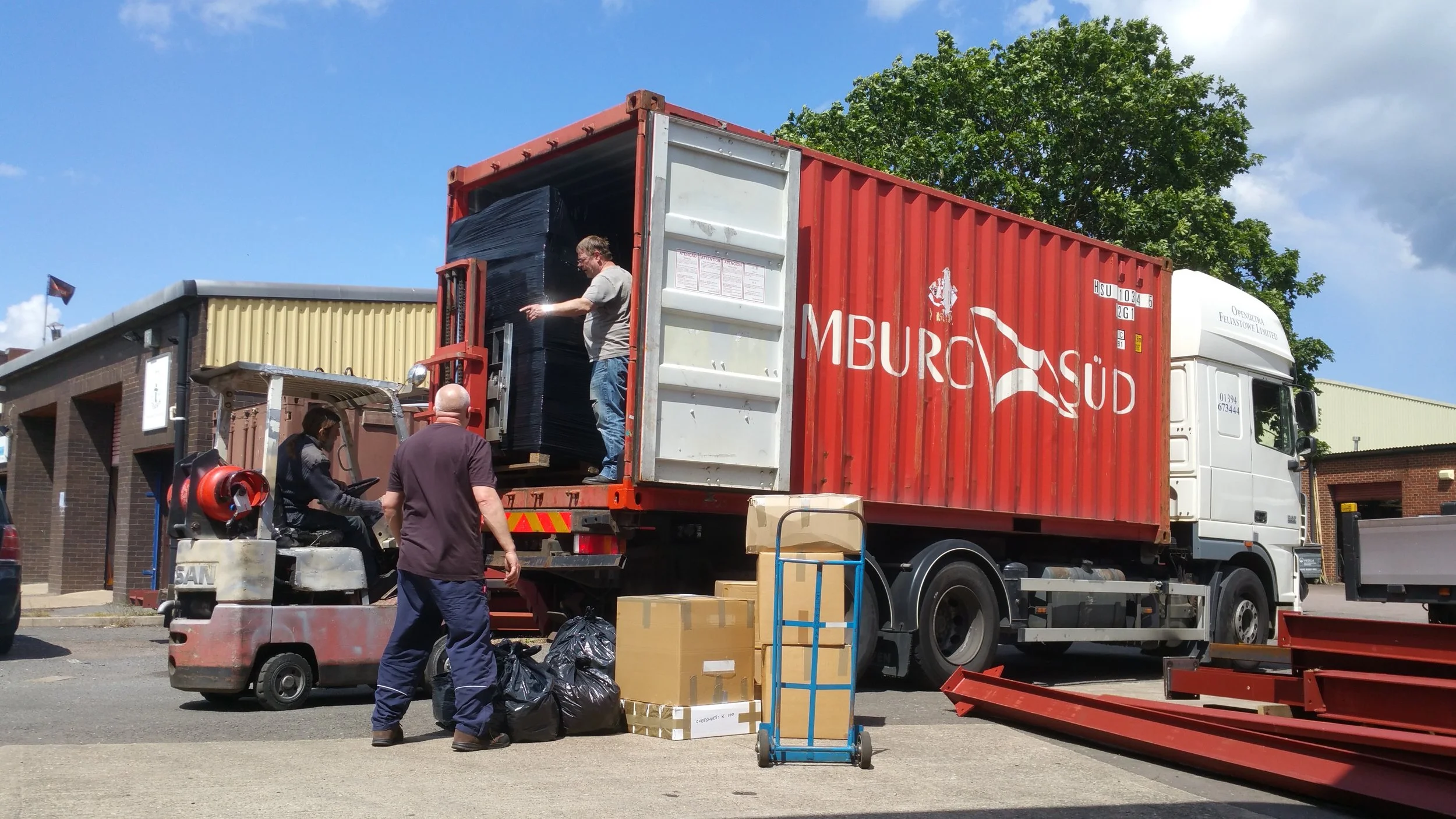
To meet this growing demand, Inter Care introduced a new way of delivering medical aid: sending a full shipping container to Sierra Leone packed with surplus healthcare goods. This approach allowed us to provide substantial, life‑saving supplies directly to the health workers treating patients, ensuring they had the essential tools needed to rebuild care and save lives.
(Pictured above is our first container being loaded from our Syston Warehouse)
-
![A woman shopping for medicines at a pharmacy, with boxes of Hydro Cortisone ointment, towels, and other medicines on display.]()
2020: COVID 19 Pandemic
When the pandemic hit the UK in March 2020, global exports came to an abrupt halt, forcing Inter Care to pause its overseas operations. For the first time in our history, we changed our delivery model: instead of supplying aid to Africa, we redirected our support to the UK.
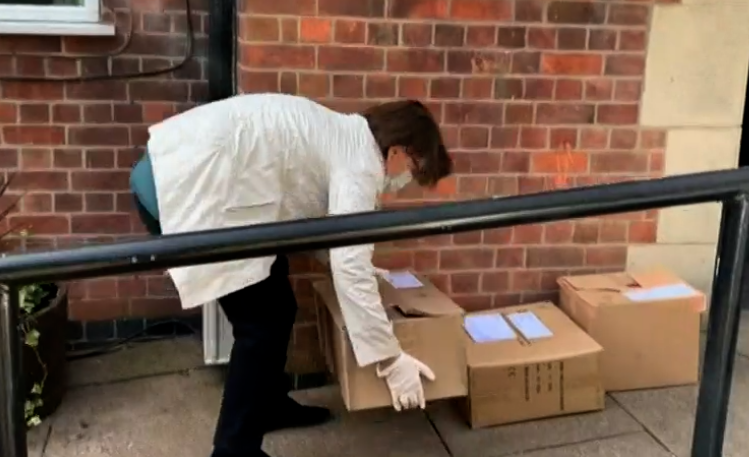
With healthcare facilities facing severe shortages, we cleared our warehouse of all essential PPE and useful medical supplies and delivered them locally. Inter Care provided urgent support to 10 GP surgeries and 20 care homes across Leicestershire - marking the first time we delivered medical aid within our own country.
(Pictured above is Kathryn Garnett, Inter Care trustee, delivering boxes of PPE to healthcare staff in Leicestershire)
-
![]()
2024: 50 Years of Inter Care
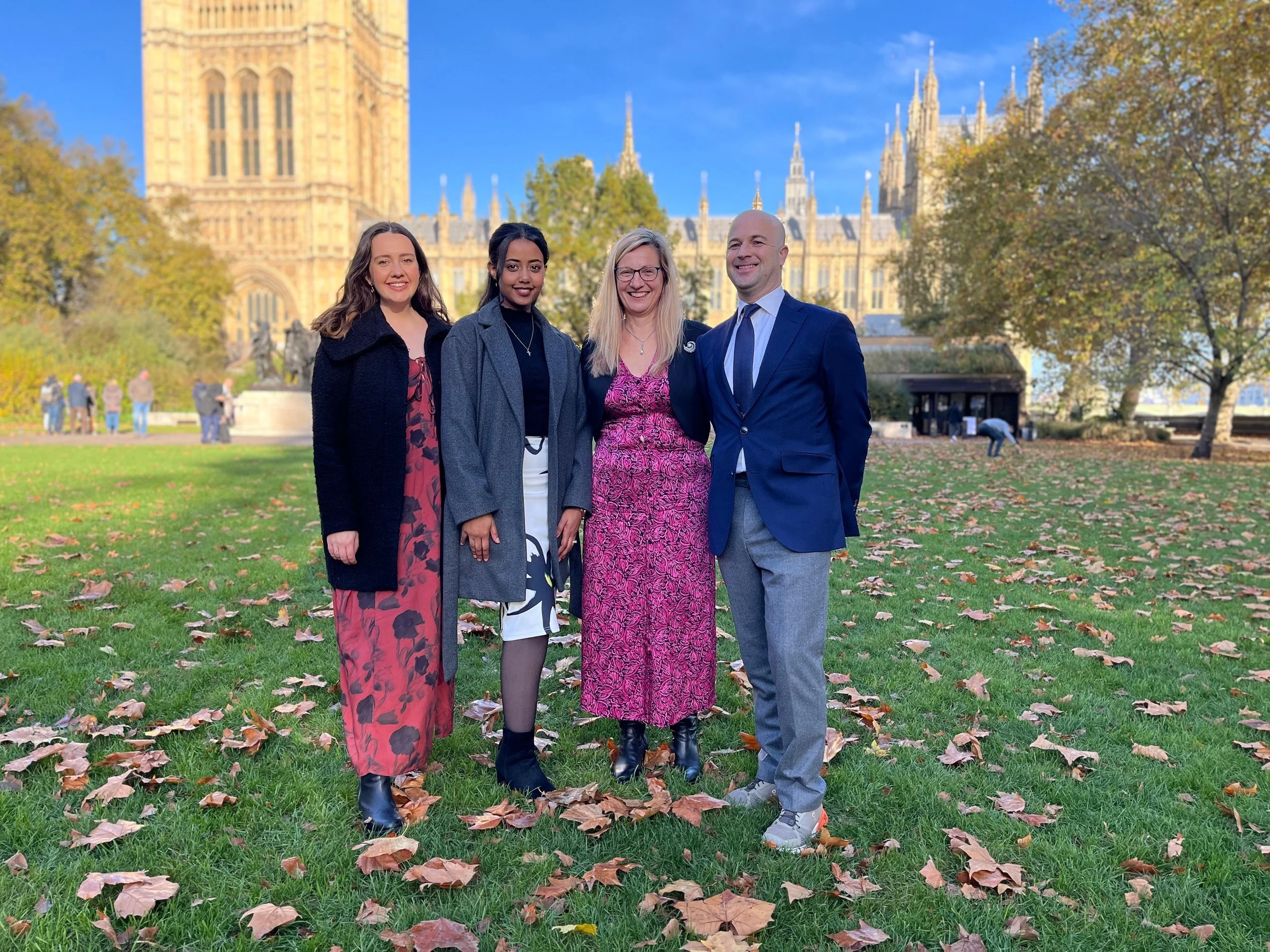
Inter Care celebrated its 50th anniversary, marking five decades of strengthening healthcare across sub‑Saharan Africa and honouring the thousands of patients, partners, volunteers, and supporters who have shaped the charity’s journey.
To commemorate this milestone, the team, volunteers, trustees, and long‑standing supporters were invited to a special event at the House of Lords in London. The occasion offered formal recognition of Inter Care’s impact over half a century - celebrating the dedication of everyone who has contributed to our mission, from warehouse volunteers to partner clinicians overseas. It was a moment to reflect on our history, acknowledge the people who built the charity, and look ahead to the next 50 years of life‑changing medical aid.
-
![]()
2026: A new look for Inter Care
In 2026, Inter Care launched a full rebrand, introducing a fresh, modern identity designed to carry the charity confidently into its next 50 years. The new look reflects who we are today - a forward‑thinking, sustainable medical aid organisation - while honouring the values that have guided us since 1974.
Inter Care continues to evolve while staying true to its founding mission. Through ethical sourcing, strong partnerships, and a commitment to sustainability, the charity supports thousands of patients across sub‑Saharan Africa with reliable, high‑quality medical aid. The rebrand marks not just a visual transformation, but a renewed promise to strengthen healthcare systems and stand alongside our partner clinics for decades to come.